SEO Meets Design: Creating Websites That Look Good and Rank Higher
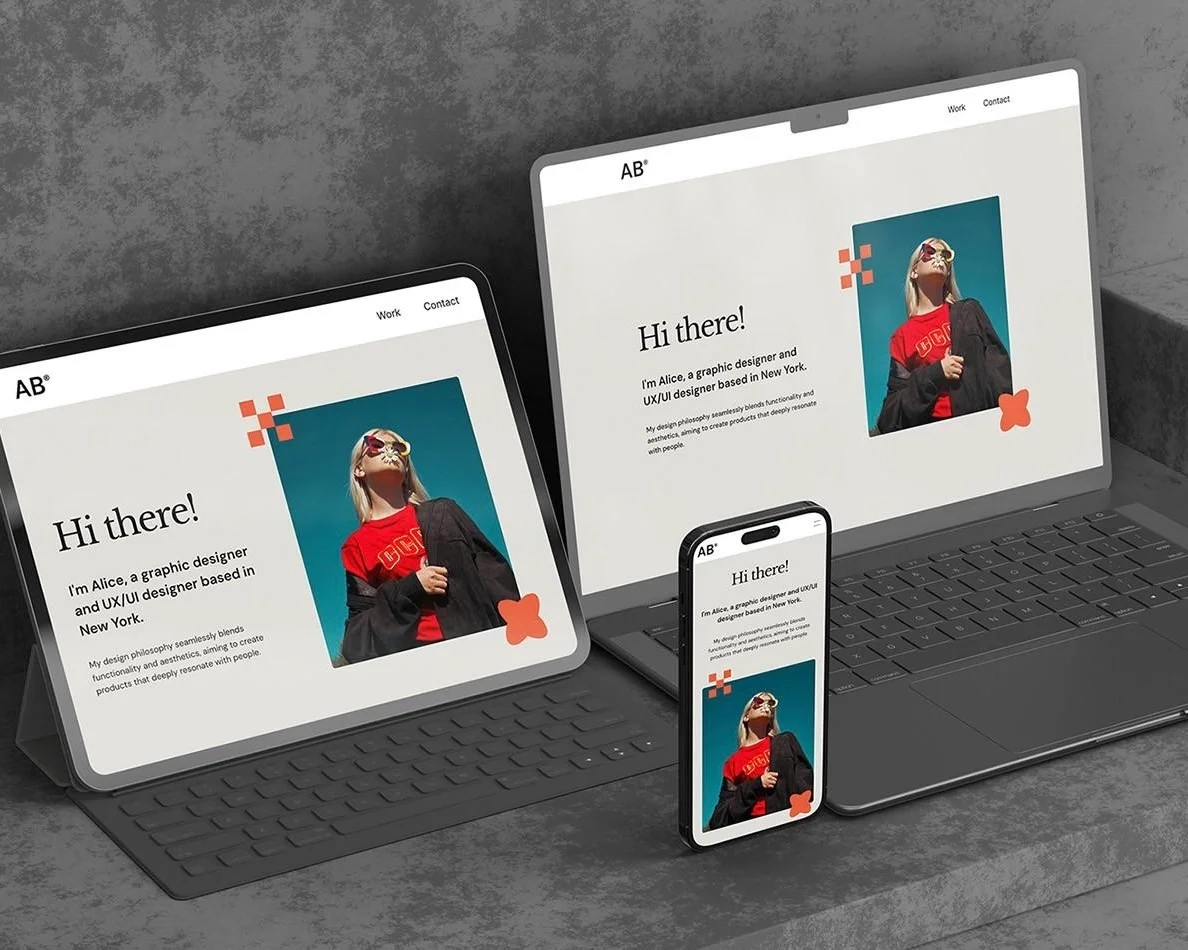
In today’s competitive digital world, having a website is not enough. A successful website should look visually appealing, provide a smooth user experience, and perform well on search engines. This is where SEO Meets Design: Creating Websites That Look Good and Rank Higher becomes important. Combining creative website design with effective Search Engine Optimization (SEO) helps businesses attract visitors, improve online visibility, and turn potential customers into loyal clients. Whether you are building a new website or improving an existing one, the right balance between design and SEO can make a significant difference. Working with the best digital marketer in Malappuram can help businesses develop a strong online presence through creative design and strategic SEO practices.
1. Why Website Design and SEO Should Work Together
Website design and SEO are two essential elements of a successful online presence. While website design focuses on appearance, layout, colours, typography, and user experience, SEO focuses on improving a website’s visibility in search engine results.Many businesses concentrate only on creating attractive websites without considering search engine optimization. Others focus entirely on SEO while ignoring the visual experience of visitors.A successful website needs both. An attractive design encourages visitors to explore the website, while proper SEO helps potential customers discover it through search engines. When these two elements work together, businesses can create websites that are both visually impressive and search-engine friendly.
2. Create a User-Friendly Website Experience
User experience (UX) plays an important role in website performance. Visitors should be able to find information easily without feeling confused or overwhelmed.
A well-designed website should have:
Simple and clear navigation.
Readable fonts and suitable typography.
Consistent colours and visual elements.
Proper spacing and organised layouts.
Clear call-to-action buttons.
Easy access to important information.
When visitors can navigate a website comfortably, they are more likely to stay longer, explore different pages, and interact with the business.A positive user experience also supports SEO by making the website more useful and accessible to visitors.
3. Responsive Website Design for Every Device
Today, people access websites through smartphones, tablets, laptops, and desktop computers. A website that works perfectly on a desktop but looks poor on mobile devices can lose valuable visitors.Responsive web design ensures that a website automatically adjusts to different screen sizes while maintaining its appearance and functionality.
Mobile-friendly websites offer several benefits:
Better browsing experience on smartphones.
Improved website accessibility.
Easier navigation across devices.
Better support for mobile search performance.
Increased opportunities for customer enquiries.
Since Google uses the mobile version of a website for indexing, having a mobile-friendly design is especially important for search engine visibility.
4. Website Loading Speed and Performance
Website speed is another important factor that affects both user experience and SEO. Most visitors expect websites to load quickly. If a website takes too long to display its content, users may leave before exploring it.A slow website can affect customer satisfaction and reduce the chances of conversions.
To improve website performance, consider:
Compressing images without losing quality.
Using reliable web hosting.
Minimising unnecessary scripts.
Optimising CSS and JavaScript files.
Enabling browser caching.
Using modern image formats such as WebP.
Google also evaluates website experience through Core Web Vitals, which measure important aspects of loading performance, interactivity, and visual stability.A fast and well-optimised website creates a smoother browsing experience and supports better SEO performance.
5. Use SEO-Friendly Website Structure
A well-organised website structure makes it easier for both visitors and search engines to understand your content.Every website should have a clear hierarchy, with important pages connected through logical navigation and internal links.
For example, a business website can include:
Home page.
About us page.
Services page.
Portfolio or projects page.
Blog section.
Contact page.
Using proper heading tags such as H1, H2, and H3 helps organise information and makes content easier to read.Descriptive page URLs, relevant internal links, and a clear navigation system also help search engines discover and understand website content.
6. Choose the Right Typography, Colours, and Visual Elements
Visual design is more than just making a website look attractive. It helps communicate a brand’s personality, establish trust, and create a memorable experience.Typography should be readable, colours should remain consistent with the brand identity, and images should support the website’s message.
A professional website design should focus on:
Consistent brand colours.
Clear and readable typography.
High-quality, relevant images.
Balanced layouts and spacing.
Visual consistency across all pages.
However, design elements should not affect website performance. Large image files, unnecessary animations, and excessive visual effects can slow down a website.The goal is to create a balance between visual creativity, accessibility, and performance.
7. Create SEO-Friendly Content That Attracts Visitors
Content is one of the most important parts of SEO. Even a beautifully designed website needs useful and relevant information to attract visitors through search engines.Creating high-quality website content helps answer customer questions, explain your services, and establish your brand as a reliable source of information.
Some effective content strategies include:
Using relevant keywords naturally.
Writing informative blog articles.
Creating clear service descriptions.
Adding useful headings and subheadings.
Including relevant internal and external links.
Updating outdated website content.
Avoid keyword stuffing or writing content only for search engines. Focus on providing genuine value to readers while naturally including relevant search terms.
8. Optimise Images for Better SEO and Performance
Images are important for creating an engaging website, especially for businesses that depend on visual presentation. However, images should also be properly optimised for search engines and website performance.
Some useful image optimisation techniques include:
Use descriptive file names: Give images meaningful names instead of random numbers or letters.
Add ALT text: Write descriptive alternative text that explains the purpose of an image. This also improves accessibility.
Compress image files: Reduce image size while maintaining suitable visual quality.
Choose appropriate formats: Use modern formats such as WebP where suitable.
Use responsive images: Deliver appropriately sized images for different screen sizes.
These practices help improve accessibility, image discoverability, and website loading speed.
9. Add Clear Call-to-Action Elements
A website should not only attract visitors but also encourage them to take meaningful actions.Call-to-action (CTA) elements guide visitors towards the next step, whether it is contacting your business, requesting a quotation, purchasing a product, or booking a service.
Examples include:
Contact Us.
Get a Free Consultation.
Explore Our Services.
Request a Quote.
Shop Now.
CTA buttons should be clearly visible, easy to understand, and strategically positioned throughout the website.Combining effective CTA placement with an attractive website layout can improve user engagement and conversion opportunities.
10. Track Website Performance and Improve Continuously
Creating a website is not the final step. Regular monitoring and improvement are necessary to maintain its performance.Businesses can use tools such as Google Analytics 4 and Google Search Console to understand how their websites perform.
These tools provide useful information about:
Website traffic.
Search impressions and clicks.
Popular website pages.
Search queries.
Visitor engagement.
Technical SEO issues.
By analysing these results, businesses can identify areas that need improvement and make informed decisions about their website design and SEO strategy.
SEO Meets Design: Creating Websites That Look Good and Rank Higher for Business Growth
The combination of SEO and website design creates valuable opportunities for businesses looking to strengthen their digital presence. A visually attractive website helps establish credibility, while effective SEO makes it easier for potential customers to discover the business online.When businesses invest in responsive layouts, fast loading speeds, useful content, proper website structure, and user-friendly navigation, they create a stronger foundation for long-term online growth.Whether you operate a small business, startup, or established company, combining design and SEO can help you stand out in an increasingly competitive digital marketplace.
Conclusion: SEO Meets Design: Creating Websites That Look Good and Rank Higher
Understanding SEO Meets Design: Creating Websites That Look Good and Rank Higher is essential for building a successful business website. A great website should not only look professional but also deliver a smooth user experience and make it easier for search engines to understand its content.By combining creative website design, technical SEO, quality content, mobile responsiveness, and performance optimisation, businesses can build websites that attract visitors and create meaningful customer connections.Remember, the best websites are not simply beautiful or search-engine friendly. They bring both elements together to deliver a complete digital experience that supports business growth.